Translate

Showing posts with label ducks. Show all posts

Monday, April 22, 2019

Boomer's Late Winter-Early Spring Bird Bash


                                                          Red-breasted Mergansers


                                                                         Ditto
                                                               

                                                                       Ditto


                                                         Northern Shovelers in Flight


                                               Assorted Ducks in Flight, Including Scoters


                                                                    Song Sparrow
                                   

                                                                        Killdeer


                                                         Male Brown-headed Cowbird


                                                       Canada Geese Effecting Landing


                                                   Baird's and Single Pectoral Sandpiper


                                                               Juvenile Bald Eagle


                                                                         Ditto


                                                                    Adult Bald Eagle


                                                                    Eastern Phoebe


                                                            Irruptive Cedar Waxwings


                                                                  American Robin


                                                       Dark-eyed Junco (slate colored)


                                                                      Song Sparrow


                                                   Northern Mockingbird Mating Dance


                                                                 Bonaparte's Gull


                                                                               Ditto


mid-March/April 2019

Apologies are in order for such a late posting, but due to a challenging work schedule, it is the best that I could do.

Winter was somewhat difficult with lower and sometimes higher temperatures, and Mother Nature
did not give us expected birds at any given time.  This meant that there were sleepers, like a both the White-winged and Surf Scoter.  They can both be seen in the rear portion of the assorted ducks in flight photo above.

We also had late-arrival Bonaparte's Gulls in April and late Song Sparrows have also been located in assorted Payne county locations.  Both their song and chunky countenance will keep them from being confused with the more normal and thinner Savannah Sparrow in mid-April.

The Northern Mockingbird is quite an interesting bird for its behavior, which can include sounding just like other birds, as well as wing-flashing to confuse insects with what they might consider nightfall.  They also have a very entertaining dancing ritual during mating season, which can be difficult to photograph but most interesting to observe.

Many irruptive birds came to visit over the winter, including quite normal groups of Cedar Waxwings as well as Purple Finches and Red Crossbills.  Don't be surprised if the list of crossbill subspecies keeps growing due to the fact that harsh winters send them to assorted locales for food.  They will develop better attributes over short periods of time to assist them in gleaning cone crops depending upon where they hang their hats and coats over bitter and snow laden winters.

Over the past few years, it had come to my attention that our local Payne County Bald Eagle pair raised young more than once.  This three-year-old youngster pictured above was in the company of an adult over Boomer Lake in early April, which was my first actual time to see it, let alone photograph it.  I apologize for the poor quality, but we must take what the birds give us.

Shortly after the northern winter storm Wesley arrived, some shorebirds did a reverse migration right around this time.  Subsequent birds took a more eastern transit to their breeding grounds, but those that we hosted had to do their best under more trying circumstances, like many shorebirds and swallows.  Luckily, I was able to capture a Pectoral and a few Baird's Sandpipers in one photo.  Some of the birds spent several days on Boomer Lake to gain strength to enable them to move onward to the breeding grounds.

Many ducks also were a little late in coming though like the ducks pictured above.  Several varieties will actually breeding in the northern parts of the south, but the Red-breasted Mergansers shown were in high breeding plumage and most anxious to continue on to do their duty.  Unfortunately, weather events like we will only experience more in the future, will hinder breeding birds and make some of them miss insect crops to feed young.  However, most ducks will avoid this situation due to their nature.

Sunday, July 15, 2018

Let's Get the Lead Out


Lead is a heavy metal and one of the most dangerous metals that has not been fully outlawed by
this country, even in the twenty-first century.  Hunters are generally aware that the ammunition that
they use contains lead or they don't pay any mind, just by simply looking at the round.  Since lead is very soft, it is very apparent that if the fired round has been damaged when it strikes bone or soft tissue, there is a problem.

Ducks and other game birds, like pheasant, are hunted for food and if the shot is lead based, this substance will get into the consumer's body and bloodstream when the contaminated meat is ingested. What makes matters compounded, is if the animal struck still lives.  It is in a weakened state, losing blood, and will end up as prey for another animal, or as a carcass for an eagle or a vulture.  If you watched the video above, you'll easily see what that Bald Eagle had for symptoms.

Lead poisoning is not pretty, glamorous, something to discuss at the dinner table, or pleasant to endure.  Lead causes blindness, seizures will result, the body becomes emaciated, and weight loss is imminent.  Lead builds up in the body and over time, fewer eggs will be laid, the affected animal's mortality will be higher, and if a chick manages to hatch, its development will be greatly retarded.  With the size difference of an adult and chick, rest assured that the chick will die if the parent continues to live during its development.

Granted, the cost of leaded versus steel or copper rounds are comparing apples to oranges, but the cost difference to keep your family and yourself safe are negligible in comparison.

Another sport that is even more dangerous is going fishing if lead sinkers are used.  If those sinkers are lost through entanglement, which many are, a fish will eventually consume them.  Fish can get lead poisoning, too, with the same lethargic debilitation.  If a fish-eating mammal can get easy prey with that fish instead of a healthy fighter, the animal will go after the easy prey first.  That mammal can also acquire lead poisoning as well.  I'm sure that you comprehend that whoever eats a contaminated body with lead will also suffer for it.  It may not be right away, depending upon the weight of the subject eating the animal or fish with lead.  That also means that shellfish in the ocean can be contaminated for the same reasons.

The list can go on.  If one purchases an old house with lead pipes, the drinking water will be contaminated.  Have the home inspected by a licensed inspector that will take his or her time in giving you the truth on the residence if you are not certain on what to look for.


It is nice to go to antique stores once in a while, but bear in mind that some of the furniture may be covered with lead paint, old homes might have chipping paint that could very well be lead based.  Modern paint does not chip, it comes off in sheets and feels like plastic.  As you know, anything will go in a baby's or young child's mouth.

We use leaded gasoline in lawnmowers and other three-cycled engines.  Some of this gas is still being sold in Colorado and other surrounding states.   If this fuel leaches into the ground, it will contaminate the soil where you might grow vegetables that you might eat.  Oil will do the same thing, especially around oil and natural gas drilling equipment that might be on your property.

Also airplane fuels still contain lead and to convert the engines to unleaded gas would cost five figures, which most aircraft owners do not find cost effective.

Don't eat food out of pewter or glazed pottery, which also means not to cook in it, either.

Our pesticides also contain trace elements, as does some of the ground on our property.  If you happen to reside in an area with lead and arsenic in the soil, don't use it for farming, raising a few animals, or growing vegetables.  If there is any doubt, provide a soil sample to your local co-operative extension service and have it tested.

As human beings, we have an easier chance of not eating poison or heavy metals because we have intelligence and the ability to read about dangers in our environment.  Birds and other animals do not, so we must take action for them.

Do your part for passing laws for lead free ammunition.  You will save a lot in the long run, including your life or someone that you love.


Manufacturers and Retailers For Lead-Free Ammunition:

http://www.leadfreehunting.com/buynow


Where to Get Non-Lead Sinkers:

https://www.amazon.com/Maurice-Sporting-Goods-NL-ES-10-Sinker/dp/B07D6WY1ZK

https://www.cabelas.com/category/Non-toxic-Fishing-Weights/104464080.uts

http://bosstin.com/

Save a Loon Today!


Saturday, July 25, 2015

Learning to Grow Up the Hard Way, with a Green Heron Family


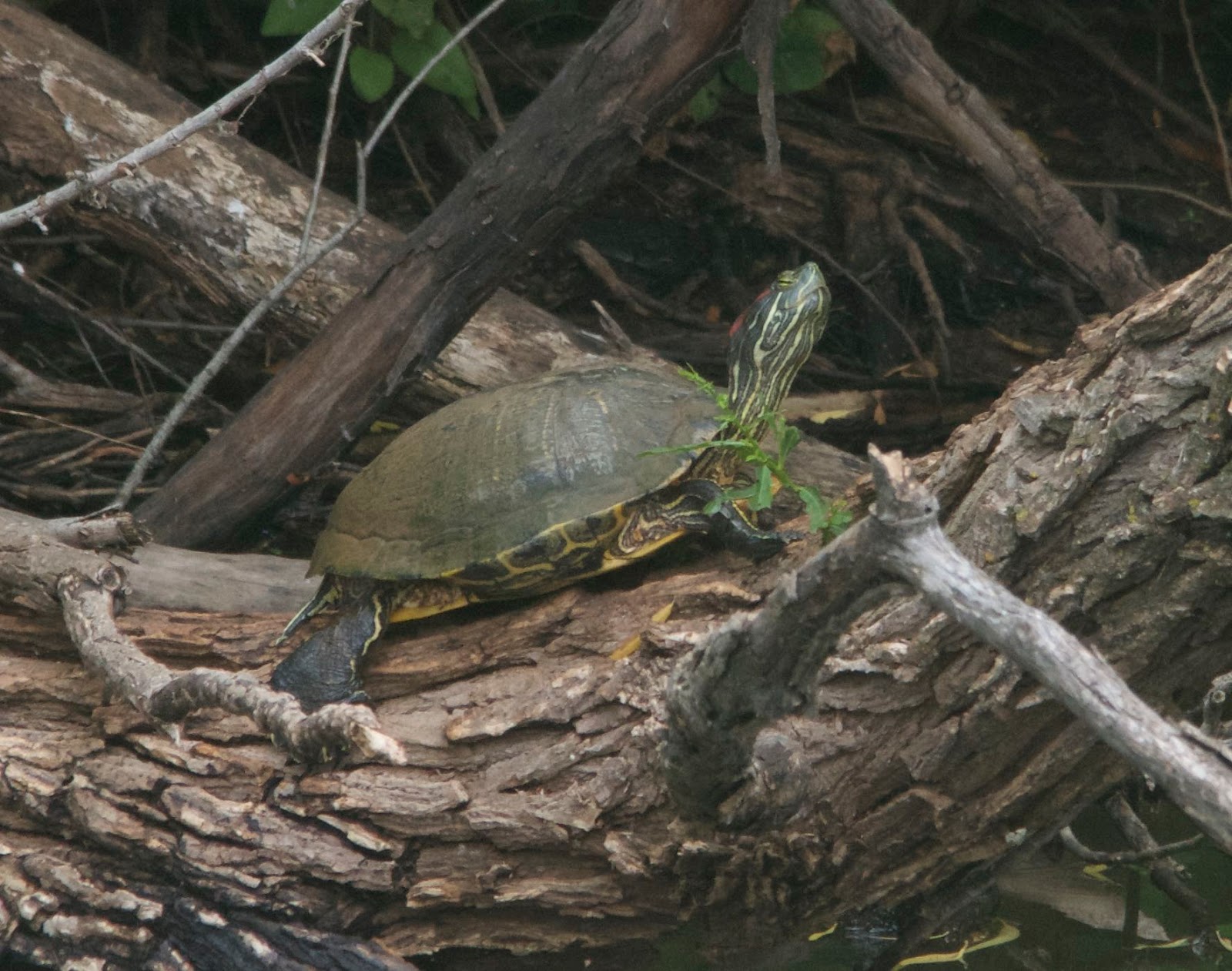
                                                                   Red Eared Slider


                                                          Immature Green Heron(Eldest)


                                                 The Two Eldest Immature Green Herons


                                                         Eldest Immature Green Heron


                                                               Second Eldest Green Heron


                                                                      Mallard Hen


                                                           Immature Orchard Oriole


                                                                Red-winged Blackbird


                                                           Mallard x Domestic Duck


                                                        Juvenile Red-winged Blackbirds


Male Orchard Oriole


Third Immature Green Heron


                                                        Eldest Immature Green Heron


                                                                          Ditto


                                                                           Ditto


                                                                          Ditto


                                                              Eldest in Front/Second Eldest
                                                                   Green Heron in Rear


                                                                          Ditto


                                                          Eldest Immature Green Heron


                                                                          Ditto


                                                                          Ditto


                                                                          Ditto


                                                      Youngest Immature Green Heron


                                                          Eldest Immature Green Heron


                                                        A Parent Pounces on the Eldest
                                                             Immature Green Heron


                                                       The Chase with Parent in the Rear


                                                                  Adult Green Heron


                                                                             Ditto


                                                   Second Eldest Immature Green Heron


                                                                          Ditto


                                                                           Ditto


                                                          Eldest Immature Green Heron


                                                                        Ditto


                                                                         Ditto

                                                                     
                                                                       Ditto


0650-1015/78-89 degrees/partly cloudy/light and variable winds

Life is not easy for migratory birds, and learning the hard way begins shortly out of the safety
of the nest.  While looking at these photos with the eldest Green Heron youngster, it may
appear to you that the parent is attacking its offspring.  That is not the case.  The parent is
trying to teach the youngster to fly, as they will be migrating from the area in four or five
weeks.  The little ones need to grow, as well as get the wings into shape for what could be a
rather long flight.  As you can see in the final photo, the young bird flew back up from where it
had originally come.

You aren't able to see or know this, but this parent was observing the immature birds the entire
time that I was photographing them.  The looked up constantly to see the parent.  Finally, it had
seen enough play and lallygagging about, and had to get the little ones to understand that it is
time to fly in their instruction to growing up.

Scientists are finally discovering that animals are very similar beings to humanity.  They raise
their young with a loving, yet firm hand.  Stay tuned for more regarding the young Green Herons.